
The condition of your dog's coat reflects their internal health more directly than most owners realize. That magnificent double coat requires significant nutritional resources to grow and maintain. Deficiencies show up first in coat quality, often before other symptoms become apparent. Conversely, optimal nutrition produces coats that are easier to maintain, more resilient, and more beautiful.
In my grooming practice, I can often identify nutritional issues by examining the coat. Dull, brittle guard hairs suggest protein or fatty acid deficiency. Thin, sparse undercoat may indicate thyroid or hormonal issues. Excessive shedding beyond normal seasonal patterns can signal nutritional imbalance. While grooming maintains the external coat, nutrition builds the coat from within.
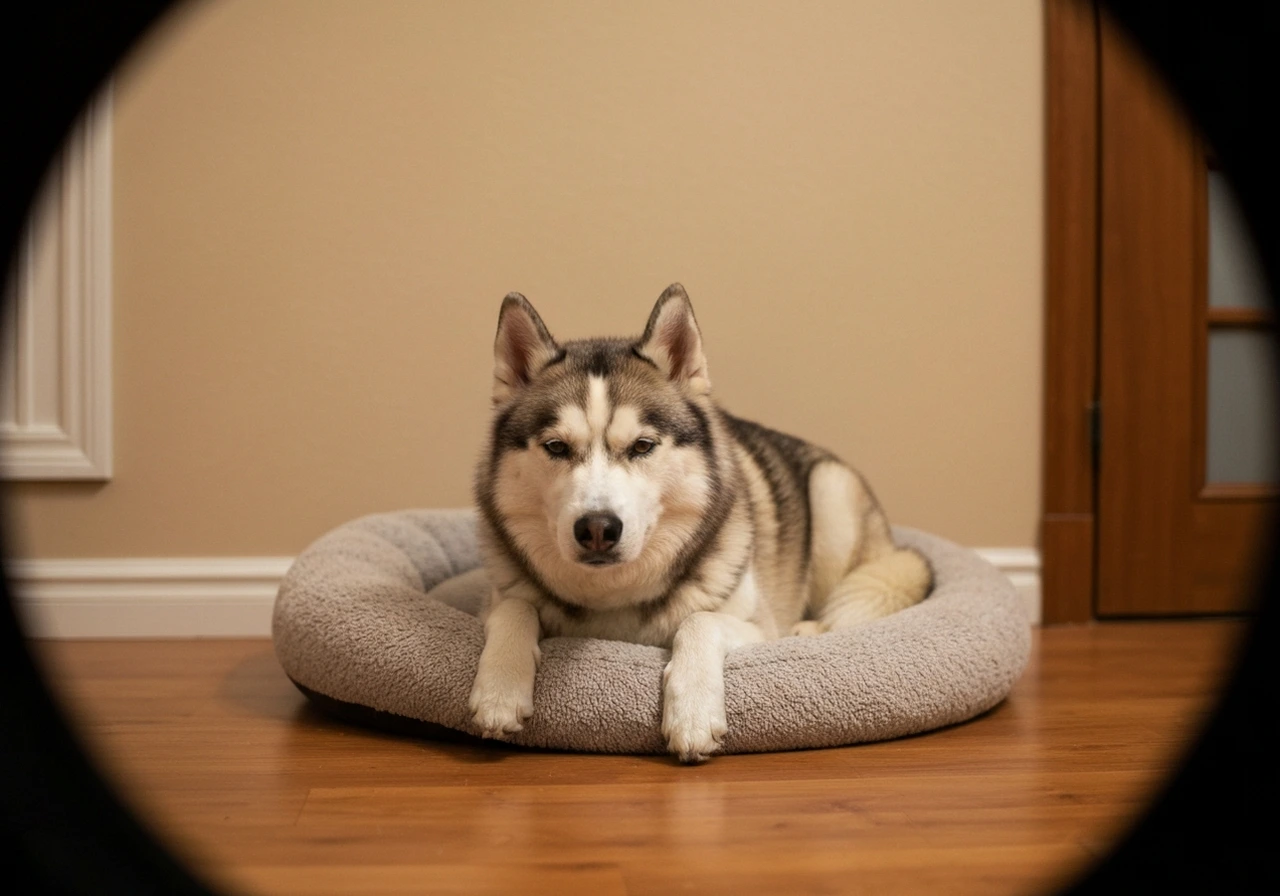
Essential Fatty Acids: The Foundation
Omega-3 and omega-6 fatty acids are the most important nutrients for coat health, and they are often the first place to look when coat quality declines.
Why Fatty Acids Matter
Every hair follicle is surrounded by sebaceous glands that produce oils to lubricate both the hair shaft and the skin surface. The quality of this oil depends directly on fatty acid availability. Adequate fatty acids produce a coat with natural sheen, proper texture, and effective water resistance. Deficiency produces dry, dull coats that mat easily and shed excessively.
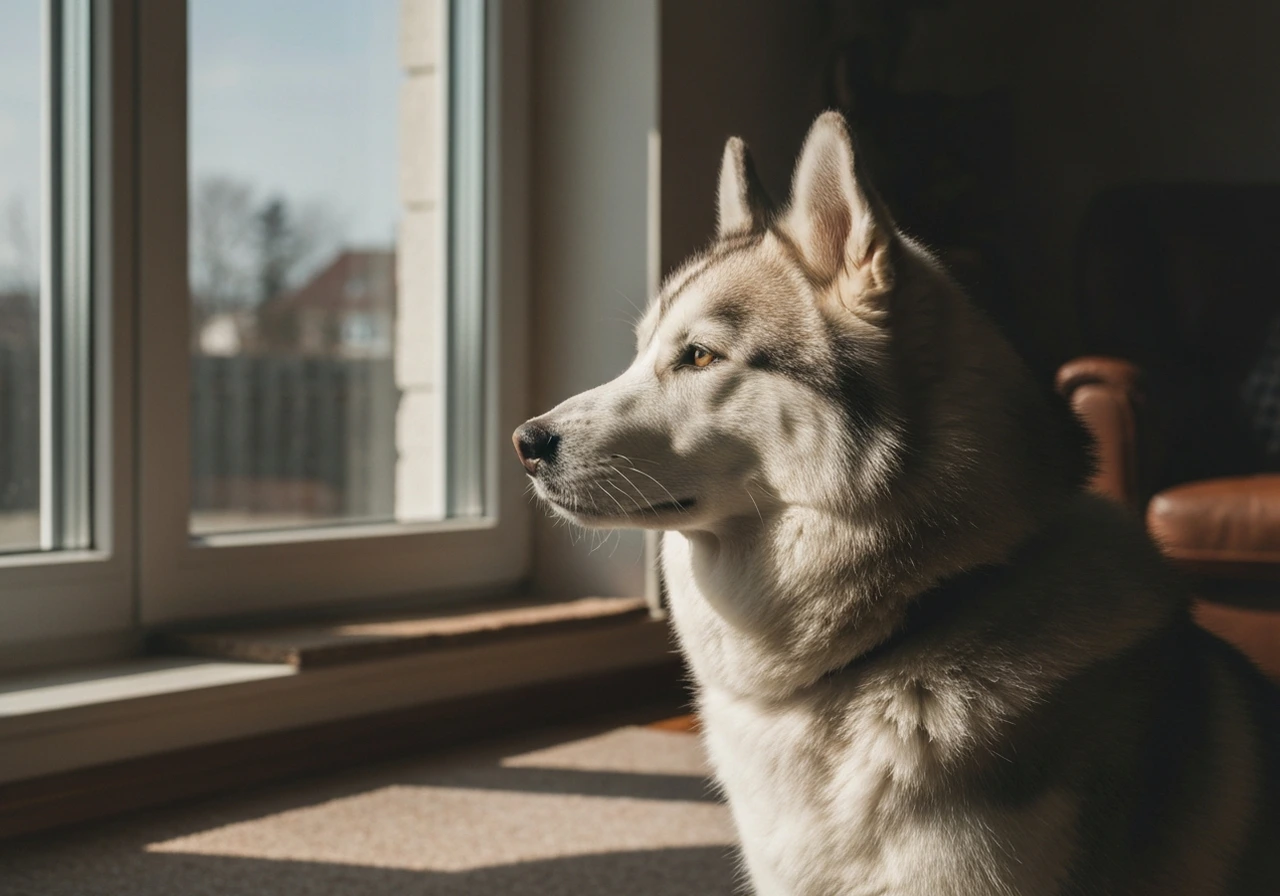
Beyond the coat, fatty acids support skin health, reduce inflammation, and help maintain the skin barrier that protects against infection and irritation. Many dogs with chronic skin issues improve dramatically with fatty acid supplementation.
Omega-3 Sources
Fish oil is the most effective omega-3 supplement for dogs. Look for products specifically formulated for pets, as human fish oil supplements may have inappropriate dosing and additional ingredients. Salmon oil, anchovy oil, and sardine oil are common and effective sources.
The key omega-3 fatty acids are EPA (eicosapentaenoic acid) and DHA (docosahexaenoic acid). When comparing products, look at the EPA and DHA content rather than just total omega-3, as these are the active forms your dog needs.
Dosing varies by product concentration and dog size, but general guidelines suggest 20-50mg combined EPA and DHA per pound of body weight daily. Start at the lower end and increase gradually, watching for digestive upset.
Omega-6 Considerations
Most commercial dog foods contain adequate omega-6 fatty acids, primarily from chicken fat and vegetable oils. Supplementation is usually unnecessary unless your dog eats a very limited or unusual diet.
The ratio of omega-6 to omega-3 matters more than absolute amounts. Many commercial diets are heavy on omega-6 and light on omega-3, making omega-3 supplementation particularly valuable for rebalancing.
Protein: Building Blocks of Hair
Hair is primarily composed of keratin, a protein. Inadequate dietary protein directly limits the body's ability to grow healthy coat. Double-coated breeds with their massive fur production have higher protein requirements than might be immediately obvious.
Protein Quality and Quantity
Not all proteins are equal. Animal-source proteins (meat, fish, eggs) provide complete amino acid profiles that support hair growth more effectively than plant proteins. Look for dog foods listing whole meat or meat meal as the first ingredients.
During periods of heavy coat growth, such as after seasonal shedding when new undercoat is developing, protein demands increase. Puppies growing their adult coats also have elevated needs. Consider higher-protein formulas during these periods if coat quality seems to lag.
Signs of Protein Deficiency
Thin, weak hair that breaks easily rather than bending suggests protein shortage. Slow coat regrowth after shedding or shaving indicates the body lacks building materials. Poor wound healing and general muscle loss often accompany coat-related protein deficiency.
Biotin and B-Vitamins
The B-vitamin complex supports skin and coat health through various metabolic pathways. Biotin receives the most attention, but the entire B-complex works together.
Biotin Function
Biotin, also called vitamin B7, plays a crucial role in keratin production. Deficiency causes brittle nails, hair loss, and skin problems. Most dogs receive adequate biotin from food, but certain conditions increase needs.
Raw egg whites contain a protein called avidin that binds biotin and prevents absorption. Dogs fed significant amounts of raw eggs may develop biotin deficiency. Cooking the eggs denatures avidin and eliminates this problem.
B-Complex Supplementation
For dogs with coat issues, a complete B-complex supplement can support improvement. The B vitamins are water-soluble, meaning excess is excreted rather than stored, making toxicity unlikely at reasonable doses.
Look for supplements providing the full B-complex rather than isolated biotin. The vitamins work synergistically, and deficiency in one can affect utilization of others.
Zinc for Skin and Coat
Zinc is a mineral essential for skin health, wound healing, and protein synthesis. Some breeds, particularly arctic breeds like Huskies and Malamutes, are prone to zinc-responsive dermatosis, a condition causing hair loss and skin crusting that responds to zinc supplementation.
Zinc Deficiency Signs
Hair loss around the face, especially the eyes and muzzle, can indicate zinc issues. Crusty, scaly skin, particularly on the face and footpads, suggests deficiency. These symptoms require veterinary diagnosis, as similar presentations can have other causes.
Supplementation Considerations
Do not supplement zinc without veterinary guidance. Unlike water-soluble vitamins, zinc accumulates and can reach toxic levels. Additionally, zinc supplementation can interfere with copper absorption, creating secondary deficiencies.
If zinc-responsive dermatosis is diagnosed, your veterinarian will recommend appropriate supplementation levels. The condition typically requires ongoing management rather than short-term treatment.
What Good Nutrition Looks Like
Before reaching for supplements, ensure the base diet supports coat health. Many coat issues resolve with dietary improvements alone.
Evaluating Your Dog's Food
The ingredient list tells you what the food contains, in descending order by weight. Look for whole meat or meat meal in the first few positions. Avoid foods where grains or plant proteins dominate the list.
The guaranteed analysis shows minimum protein and fat percentages. Double-coated breeds generally do well with protein levels around 25-30% and fat levels around 15-20%, though optimal ranges vary by activity level and individual metabolism.
Consider the omega fatty acid content if listed. Many quality foods now include added fish oil or flaxseed. If the food already contains significant omega-3 sources, additional supplementation may be unnecessary.
Fresh Food Additions
Small additions to commercial food can boost coat nutrition. Canned sardines in water (not oil or salt) provide excellent omega-3s. Cooked eggs offer protein and biotin. A small amount of coconut oil can improve coat shine, though it provides different fatty acids than fish oil.
Keep additions to 10% or less of the total diet to avoid unbalancing the base food's nutritional profile. These are supplements to a complete diet, not replacements for proper nutrition.
When Supplements Help Most
Some situations particularly benefit from targeted supplementation.
Coat Recovery Periods
After heavy shedding, illness, surgery, or any period of coat stress, nutritional support helps rebuild the coat faster. Increasing omega-3 supplementation temporarily during post-shed regrowth can produce noticeably better results.
Senior Dogs
Older dogs often have reduced nutrient absorption and may benefit from supplementation even on adequate diets. Coat quality commonly declines with age, and fatty acid supplementation frequently improves it.
Chronic Skin Issues
Dogs with allergies, recurrent skin infections, or persistent dryness often show improvement with omega-3 supplementation. The anti-inflammatory effects benefit skin health beyond just coat appearance.
Competition or Show Dogs
When coat quality matters for competition, optimal nutrition becomes essential. Show dog handlers typically use comprehensive supplement protocols tailored to their specific dogs and competition schedules.
Working with Your Veterinarian
While many supplements are safe for general use, coat problems can indicate underlying health issues that require diagnosis. Persistent coat abnormalities warrant veterinary examination.
Thyroid dysfunction is a common cause of coat problems in double-coated breeds. Symptoms include hair loss, thin coat, slow regrowth, and excessive shedding outside normal seasonal patterns. Blood testing can diagnose thyroid issues, and treatment typically resolves the coat symptoms.
Allergies, whether food or environmental, often manifest as skin and coat problems. If coat issues accompany itching, ear infections, or hot spots, allergy investigation may be appropriate.
Your veterinarian can also recommend specific supplements appropriate for your dog's health status and current medications, ensuring no interactions or contraindications.