
Every summer, owners bring me their double-coated dogs with a request that makes my heart sink: "Can you shave him? He looks so hot." The intention is compassionate. They see their furry companion panting in the heat and want to help. What they do not understand is that shaving a double coat does not cool the dog; it removes the very system that keeps them from overheating.
I decline these requests, and I spend considerable time explaining why. Many owners are initially skeptical. The logic seems obvious: fur is warm, removing fur makes the dog cooler. But double coat anatomy does not work that way, and the consequences of shaving range from temporarily harmful to permanently damaging.
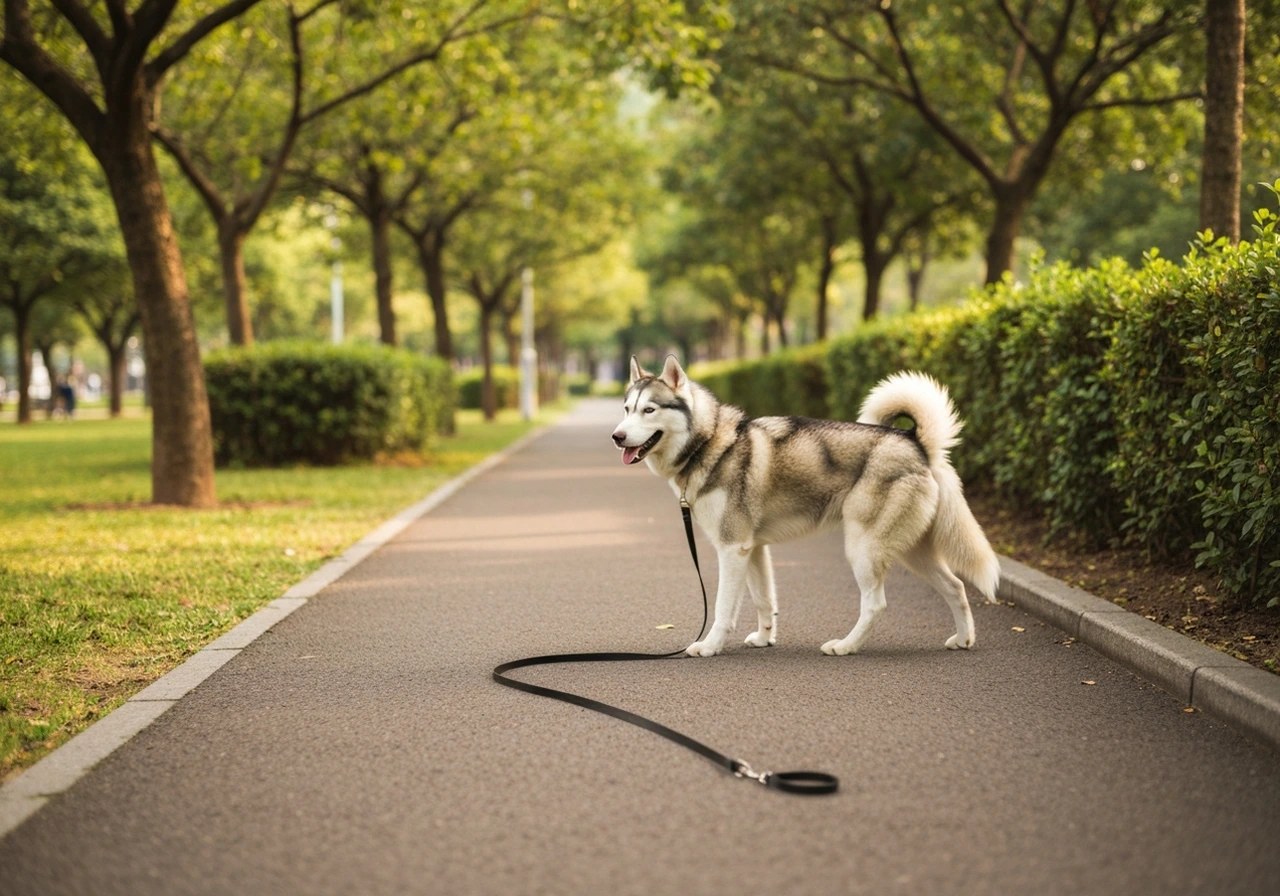
The Cooling System You Are Removing
To understand why shaving backfires, you need to understand how the double coat regulates temperature. The system works exactly opposite to what most people assume.
How Insulation Actually Works
Insulation does not create temperature; it slows temperature transfer. Your dog's undercoat creates a layer of trapped air between the body and the environment. In winter, this trapped air holds body heat near the skin. In summer, the same layer prevents environmental heat from reaching the body.
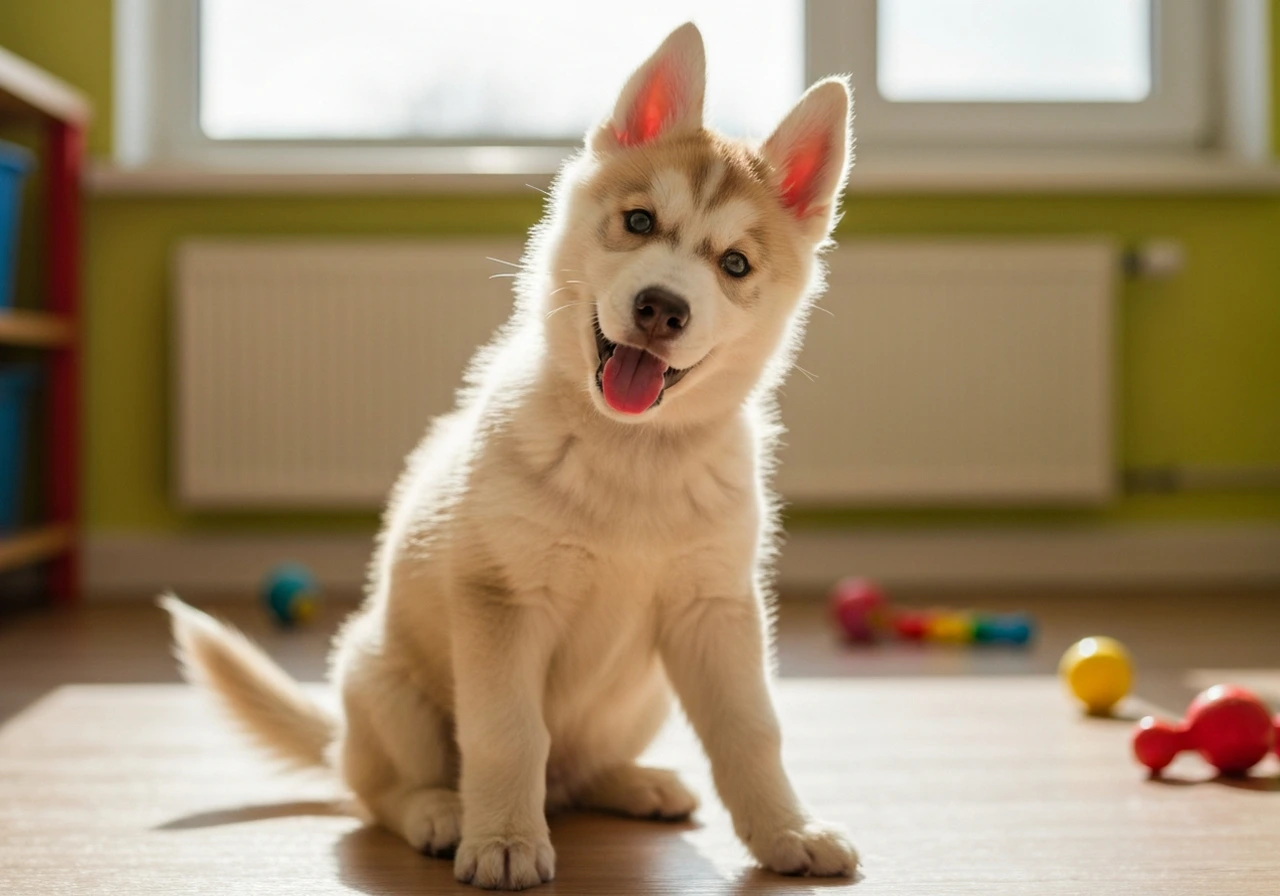
Think of it like a thermos. A thermos keeps hot drinks hot and cold drinks cold because it slows heat transfer in both directions. Your dog's coat functions on the same principle. The dense undercoat creates a barrier that maintains body temperature regardless of external conditions.
Dogs do not cool themselves through their skin the way humans do. We sweat across our entire body surface, and evaporative cooling works through our skin. Dogs cool primarily through panting and through their paw pads. The rest of their skin does not meaningfully participate in temperature regulation.
What Happens When You Remove the Insulation
Without the undercoat barrier, external heat transfers directly to your dog's body. The sun beats down on skin that has never been exposed to direct radiation. The dog absorbs heat rather than being protected from it.
I have treated dogs brought in with heat exhaustion whose owners shaved them thinking it would help. The shaved dogs were hotter, not cooler, than their properly-coated counterparts. They had lost their natural air conditioning system.
The Guard Hair Protection Layer
Beyond temperature regulation, the guard coat serves protective functions that shaving eliminates.
UV Protection
Guard hairs block ultraviolet radiation, functioning like a built-in sunscreen. The skin beneath a double coat has never needed to develop pigmentation or other sun protection. When you expose that skin to direct sunlight, it burns.
Sunburned dog skin is painful and can blister severely. Repeated sun exposure increases skin cancer risk, just as it does in humans. Some shaved dogs require sunscreen application before going outside, an ongoing management burden that proper coat maintenance would have prevented.
Physical Protection
The guard coat protects against insects, debris, and minor physical irritation. Flies and mosquitoes have difficulty reaching skin through a dense coat. Shaved dogs become targets for biting insects that previously could not access them.
Brush, sticks, and rough surfaces that a coated dog barely notices can scratch and irritate exposed skin. Working and sporting dogs, in particular, face dramatically increased injury risk when their protective coat is removed.
Water Repellency
Guard hairs repel water through their natural oil content and overlapping structure. A properly maintained double-coated dog can shake off rain and emerge relatively dry from water. Without the guard coat, water soaks directly to the skin, where it can contribute to skin infections, hot spots, and ongoing dampness.
Coat Regrowth Problems
Perhaps the most compelling argument against shaving is what happens afterward. Double coats frequently do not grow back correctly, and the damage can be permanent.
The Growth Cycle Disruption
Undercoat and guard hairs grow from different follicle types at different rates. Under normal conditions, these growth cycles are coordinated. The seasonal shed removes dead undercoat while guard hairs remain, and new undercoat grows in on schedule.
Shaving cuts both hair types at the same length simultaneously. When regrowth begins, the coordination is disrupted. Undercoat tends to grow faster than guard hairs, leading to a coat that is undercoat-heavy with insufficient guard hair coverage.
Post-Shave Alopecia
Some shaved dogs develop a condition called post-clipping alopecia, where the fur does not regrow in certain areas. The exact cause is not fully understood, but it appears to involve disruption of the hair growth cycle.
Post-shave alopecia can leave permanent bald patches. The affected areas may eventually regrow, but the process can take years, and full recovery is not guaranteed. I have seen dogs five years post-shave with visible permanent changes to their coat.
Texture Changes
Even when the coat does regrow, the texture often changes. Owners describe the regrown coat as "cottony" or "wooly." The natural separation between undercoat and guard hair is lost, resulting in a coat that mats more easily and provides less effective insulation.
These texture changes can persist for multiple coat cycles or become permanent. A single shave can alter a dog's coat for the remainder of their life.
What About Medical Shaving?
There are legitimate reasons for localized shaving: surgery sites, severe matting that cannot be safely brushed out, skin conditions requiring direct treatment access, or hot spots needing air exposure.
Medical shaving differs from cosmetic shaving in several important ways. It targets specific areas rather than the whole body. It is performed because no better alternative exists. And it comes with a plan for protecting the shaved area while regrowth occurs.
If your veterinarian recommends shaving for a medical reason, that is a different situation from elective summer shaving. Ask about the extent necessary, timeline for regrowth, and any protective measures needed during recovery.
What Actually Keeps Double-Coated Dogs Cool
If shaving is not the answer, what is? How do you help a double-coated dog through hot weather without destroying their coat?
Proper Coat Maintenance
A well-maintained coat regulates temperature effectively. The problem is not the coat itself; it is packed, matted, or unmaintained coat. Dead undercoat that is not removed creates insulation that does trap heat against the body.
Regular brushing removes dead undercoat while preserving guard hairs. During shedding season, daily brushing keeps the coat functional. A properly maintained double coat allows air circulation and effective temperature regulation.
Environmental Management
Limit activity during the hottest parts of the day. Morning and evening exercise, with rest during midday heat, prevents overheating far more effectively than removing the coat.
Provide constant access to shade and fresh water. Many dogs will self-regulate if given the option, seeking shade when they need cooling.
Consider cooling mats, kiddie pools, or sprinklers for outdoor time. Wetting the belly and paw pads provides quick cooling through the areas where dogs actually lose heat.
Professional Deshedding Services
A professional blow-out with a high-velocity dryer removes massive amounts of dead undercoat without cutting any hair. This service, offered at most grooming salons, keeps the protective coat intact while dramatically reducing undercoat density for summer.
I recommend deshedding services at the beginning and middle of summer for dogs in hot climates. The difference in coat density and apparent comfort is significant, without any of the risks associated with shaving.
Responding to Shave Requests
If someone suggests you shave your double-coated dog for summer, politely decline. If a groomer offers to shave without being asked, find a different groomer. Professional groomers experienced with double coats understand why shaving causes problems and do not recommend it.
If you have already had a dog shaved, there is nothing to do but wait for regrowth and protect the exposed skin in the meantime. Apply dog-safe sunscreen before outdoor exposure. Limit time in direct sun. Watch for signs of sunburn, insect bites, or skin irritation. And commit to proper maintenance once the coat returns to prevent the situations that lead to shave consideration.
Your dog's coat is not just fur. It is a sophisticated biological system refined over thousands of generations to handle exactly the temperature challenges you are trying to address. Trust it to do its job, maintain it properly, and resist the well-meaning but misguided impulse to remove it.