
Every spring and fall, my grooming salon transforms into what my staff calls "the fur factory." Double-coated dogs arrive looking like they are wearing winter coats two sizes too large, tufts of undercoat poking out at odd angles, their owners exhausted from vacuuming three times a day. This is coat blow season, and managing it properly makes the difference between a few challenging weeks and months of coat problems.
In my eighteen years as a professional groomer, I have developed a systematic approach to seasonal shedding that I teach to both my staff and my clients. The owners who follow this protocol come through coat blow with minimal household disruption and dogs whose coats remain healthy and functional. Those who ignore it usually end up booking emergency mat removal appointments by midsummer.
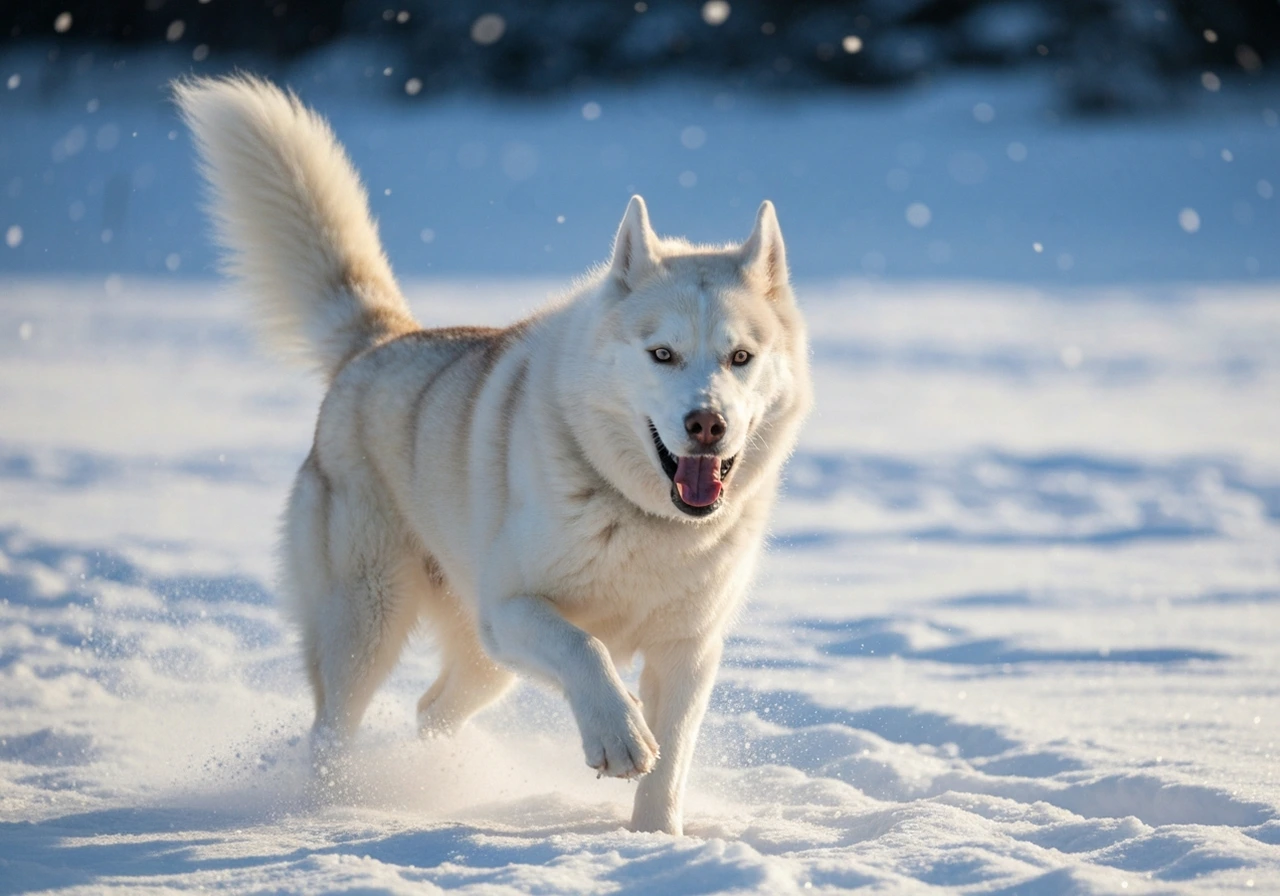
Understanding the Shedding Cycle
Before tackling the management strategy, you need to understand what is happening biologically. Seasonal shedding is not a coat malfunction. It is a precisely calibrated response to environmental changes that kept working dogs alive in extreme conditions for thousands of years.
Spring Shedding: Releasing Winter Insulation
As days lengthen after the winter solstice, photoreceptors in your dog's eyes signal the pineal gland to reduce melatonin production. This hormonal shift triggers the release of the dense winter undercoat that has been providing insulation since autumn.
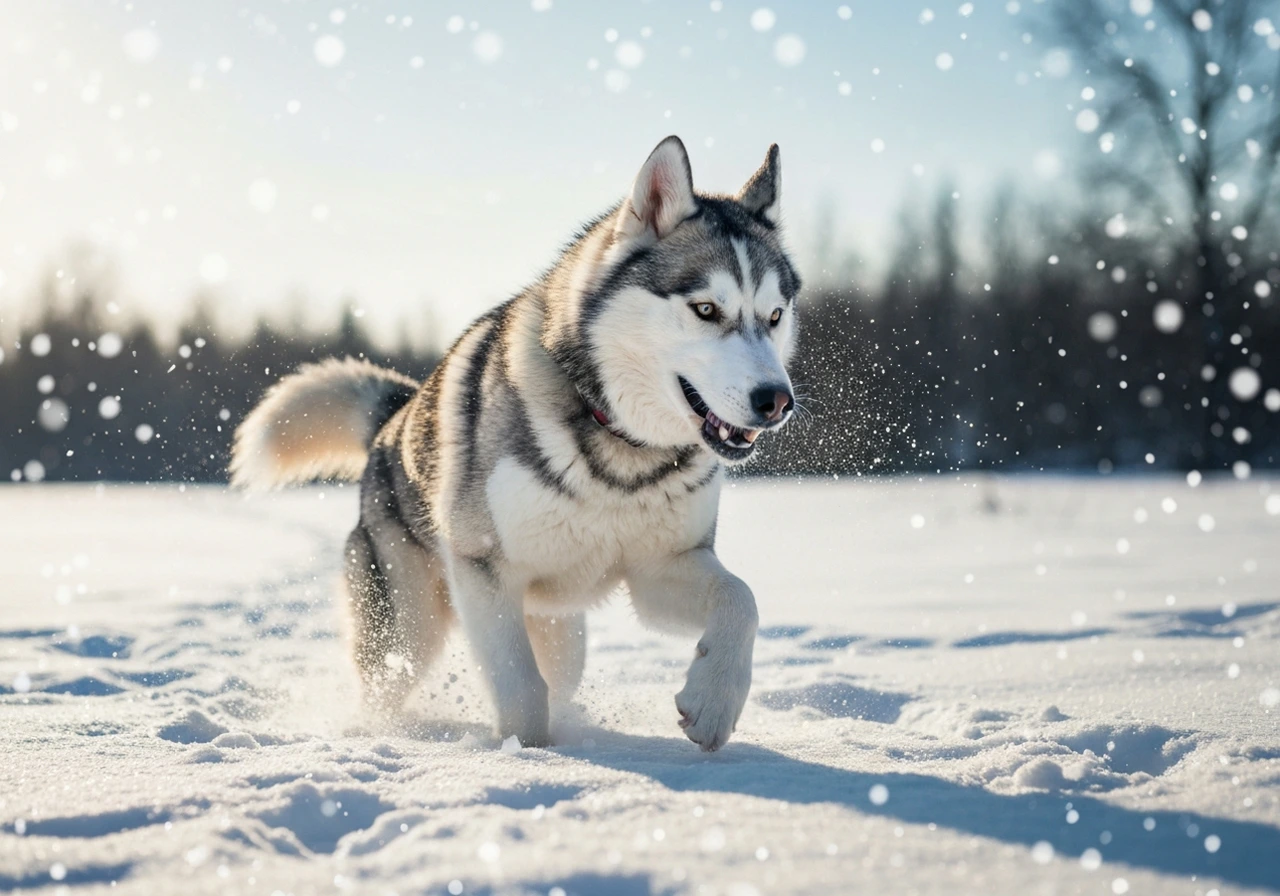
Spring shedding is typically the more dramatic of the two annual events. The winter undercoat is substantially denser than the summer version, meaning there is simply more fur to release. Our week-by-week spring shedding roadmap gives an 8-week plan adapted specifically for the heavier spring event. In my experience, spring coat blow lasts three to six weeks depending on the breed and the individual dog.
The volume of fur released during spring shedding consistently surprises first-time double-coat owners. I have filled kitchen trash bags with undercoat from single grooming sessions on large breeds like Malamutes and Great Pyrenees. What seems alarming is actually normal and healthy.
Fall Shedding: Making Room for Winter
Fall shedding operates on the same principle in reverse. As days shorten, the body prepares to grow a new, denser winter undercoat. The lighter summer undercoat must be released to make room.
Fall coat blow is typically shorter and less intense than spring. The summer undercoat is less dense to begin with, so less material needs to shed. However, the fur that does release can become trapped if not removed, creating pockets of dead fur that interfere with new growth.
The Professional Seasonal Protocol
This is the system I use in my salon and recommend to every double-coat owner. It divides seasonal shedding management into three phases, each with specific goals and techniques.
Phase One: Pre-Shed Preparation
Watch for the early signs that coat blow is approaching. Tufting, those clumps of undercoat pushing through the guard hairs, usually begins one to two weeks before full shedding. You might notice more fur than usual on your clothing or furniture, or feel loose undercoat when you run your hands through the coat.
When you spot these signs, schedule a professional deshedding appointment or set aside time for a thorough home session. The goal of this preparatory grooming is to remove any loose or nearly loose fur before the main event begins.
This session should include a full bath with a deshedding shampoo formulated to loosen undercoat. I use products containing natural exfoliants like papaya enzymes that help release dead fur from the follicle. Follow with a moisturizing conditioner to prevent the remaining coat from drying out during the intensive grooming ahead.
After bathing, use a high-velocity dryer on the coat before brushing. The forced air blasts out loose fur far more efficiently than any brush, and it shows you exactly where the heaviest shedding will occur. Then proceed with your standard brushing routine, using line brushing technique to reach the undercoat thoroughly.
Phase Two: Active Shedding Management
Once coat blow begins in earnest, your maintenance schedule must intensify. The volume of loose fur being released demands daily attention, or it will compact into mats that create serious problems.
During peak shedding, I recommend daily brushing sessions of fifteen to twenty minutes. This is not full grooming; it is targeted undercoat removal. Focus on the areas that are actively blowing: typically the haunches and back end first, then the sides, then the ruff and chest.
Use an undercoat rake as your primary tool during this phase. The long teeth penetrate through the guard coat to grab the loose undercoat that is trying to escape. Work in sections, pulling the rake through with the direction of hair growth, not against it. You should be removing visible clumps of fur with each stroke.
Every three to five days during active shedding, increase your session to a full thirty to forty minute grooming that covers the entire body. Use the slicker brush after the undercoat rake to smooth the guard coat and catch any remaining loose fur near the surface.
Phase Three: Post-Shed Recovery
Coat blow does not end abruptly. You will notice the volume of fur decreasing gradually over several days. When daily brushing sessions produce minimal loose fur for three consecutive days, the active shedding phase is complete.
Now is the time for a thorough finish grooming. Bathe again with a moisturizing shampoo and conditioner, as the intensive brushing can dry out the skin and remaining coat. Use the high-velocity dryer to ensure all remaining loose fur is removed.
Follow with a complete line brushing session using first the undercoat rake, then the slicker brush. Finish with a greyhound comb through the entire coat. If the comb glides through smoothly everywhere, the coat is clear and ready for standard maintenance until the next seasonal cycle.
Home Maintenance During Shedding Season
Even with diligent grooming, loose fur will end up on your furniture, floors, and clothing during coat blow. Accepting this reality while managing it effectively preserves both your sanity and your living environment.
Grooming Location Strategy
If possible, groom outdoors during active shedding. A deck, patio, or garage provides containment while allowing fur to disperse naturally. If you must groom indoors, choose a bathroom or other room with hard flooring and a door you can close. Containing the fur explosion to one area makes cleanup manageable.
Never groom on carpet during coat blow. The loose undercoat works its way into carpet fibers where it becomes extremely difficult to remove. I have seen clients whose carpets required professional cleaning after a single indoor shedding session.
Cleaning Protocols
Vacuum daily during peak shedding, ideally with a vacuum designed for pet hair. Standard vacuums quickly clog with undercoat, reducing suction and potentially damaging the motor. Canister vacuums with cyclonic separation handle high volumes of pet hair better than traditional bagged models.
Lint rollers become essential during coat blow. Keep them in every room, in your car, and at your office if your dog accompanies you. I recommend the large-barrel commercial rollers over the small household versions; they cover more area per sheet.
For furniture, a slightly dampened rubber glove works better than most purpose-made tools. Run your gloved hand across the fabric, and the fur rolls into clumps that are easy to pick up. This technique works on clothing as well.
Fabric and Furnishing Choices
Long-term double-coat ownership often leads to practical adjustments in home furnishing. Leather and vinyl upholstery do not trap fur the way fabric does. Smooth-weave fabrics release fur more easily than textured or nubby materials. Dark colors show light-colored fur; light colors show dark fur. Match your furnishings to your dog if you want to minimize visible fur.
When Shedding Indicates Problems
Normal seasonal shedding is dramatic but follows predictable patterns. Certain signs indicate that what you are seeing is not normal coat blow but a symptom of underlying issues.
Red Flags to Watch For
Bald patches where fur is not regrowing within a few weeks suggest follicle damage or hormonal problems. Normal shedding releases dead fur while new fur continues growing; you should never see bare skin except in cases of matting that required shaving.
Skin irritation, redness, flaking, or unusual odor during shedding points to potential skin infections, allergies, or parasite problems. The skin beneath healthy shedding fur should appear normal, perhaps slightly pink but not inflamed.
Year-round heavy shedding without seasonal variation can indicate thyroid dysfunction, which affects coat growth cycles. If your dog sheds constantly with no discernible peaks and valleys, consult your veterinarian for thyroid testing.
Excessive scratching or biting at the coat during shedding may indicate that dead undercoat has compacted into mats that are pulling on the skin. It can also suggest skin irritation from allergies or parasites that coincidentally flare during seasonal changes.
Breed-Specific Shedding Considerations
While the basic protocol applies to all double-coated breeds, some require modified approaches based on their specific coat characteristics.
Arctic breeds like Huskies, Malamutes, and Samoyeds have the most intense seasonal sheds. Plan for six weeks of active management during spring and four weeks during fall. These breeds benefit most from professional high-velocity dryer sessions, as their extremely dense undercoats are difficult to fully clear with brushing alone.
Herding breeds like German Shepherds, Australian Shepherds, and Border Collies typically shed heavily but for shorter duration. Three to four weeks of intensified grooming usually handles each seasonal transition. Their slightly less dense undercoats respond well to home maintenance with proper tools.
Retrievers and water dogs have oily coats that can become matted if loose undercoat traps against the natural oils. Pay particular attention to thorough drying after baths during shedding season, as trapped moisture accelerates mat formation.