
After eighteen years behind the grooming table, I have worked on thousands of double-coated dogs. Golden Retrievers with coats like silk. Huskies whose undercoat could stuff a pillow. German Shepherds whose guard hairs could repel a rainstorm. Each breed has its particular characteristics, but they all share the same fundamental two-layer structure that makes double coats both magnificent and demanding.
Understanding this anatomy is not academic trivia. It directly affects how you should brush, bathe, dry, and maintain your dog. The mistakes I see most often, from owners and inexperienced groomers alike, stem from treating a double coat like a single-coated breed. That approach damages the coat, stresses the dog, and creates problems that take months to resolve.
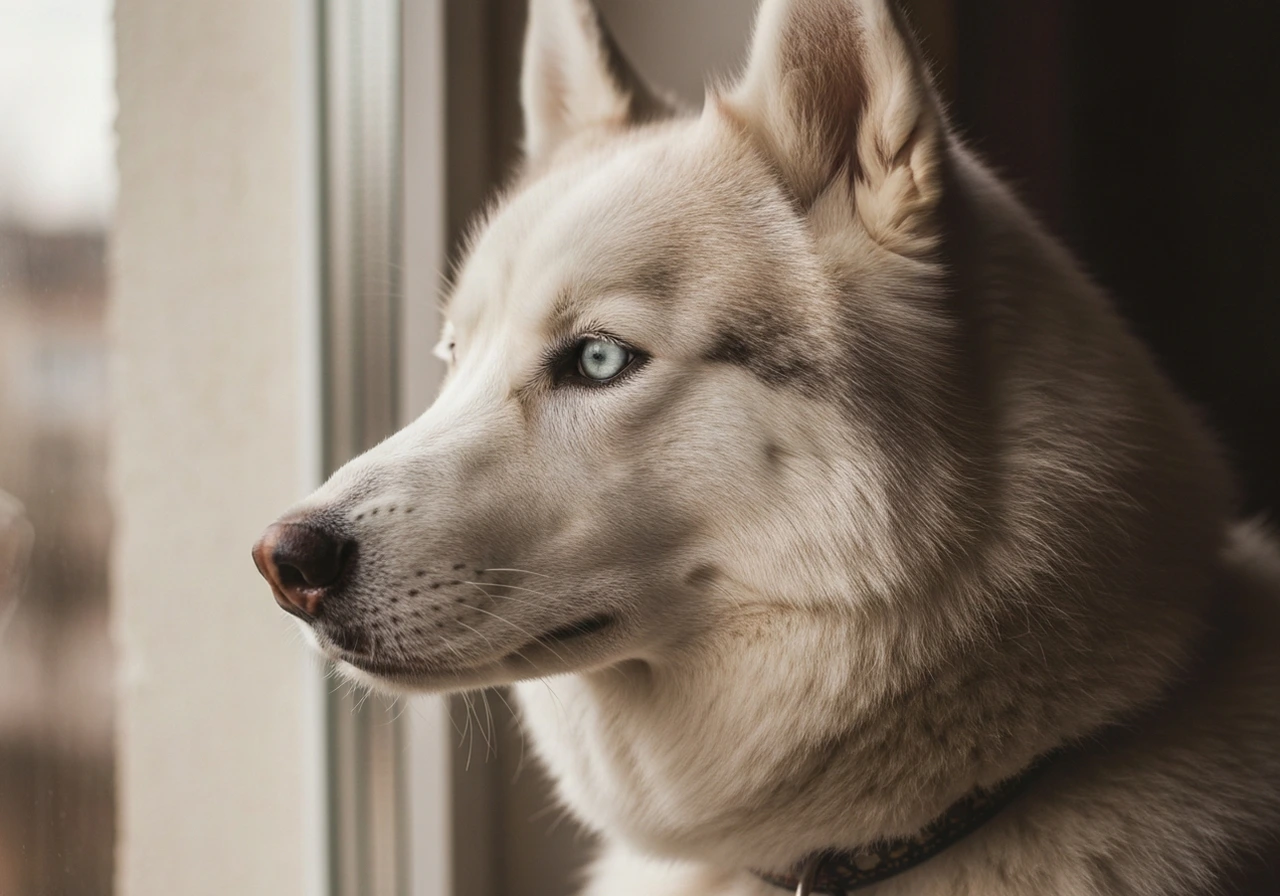
The Two-Layer System Explained
Every double-coated dog carries two distinct types of hair growing from the same skin. These layers serve completely different purposes and behave in completely different ways. Understanding this distinction is the foundation of proper coat care.
The Undercoat: Thermal Regulation
The undercoat consists of short, soft, densely packed hairs that grow from secondary hair follicles. If you part your dog's coat down to the skin, this is the fluffy, cotton-like layer closest to the body. In breeds like Samoyeds and Malamutes, the undercoat can be so dense that you cannot see the skin beneath it even when parting the fur.
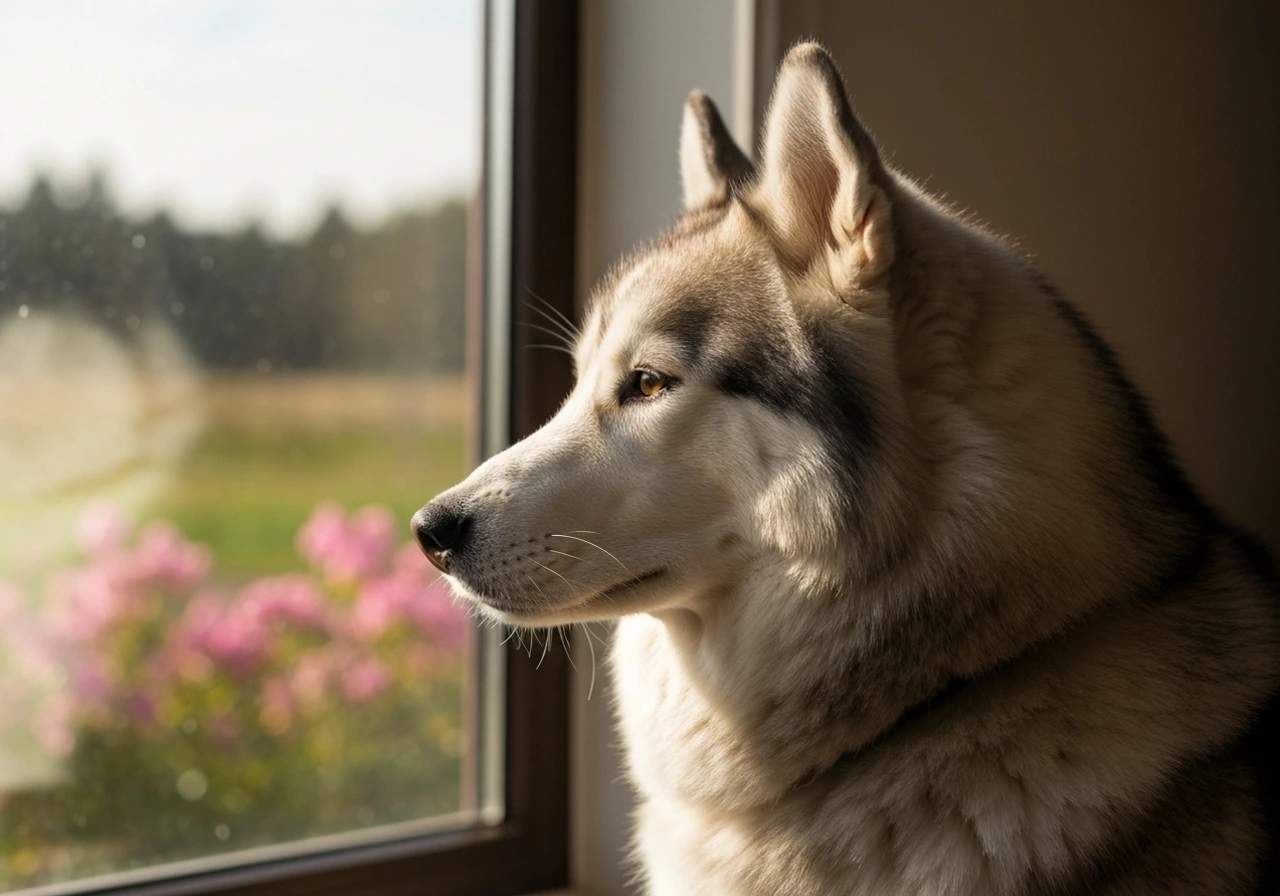
This layer serves as insulation. The principle is identical to how a down jacket works: thousands of tiny fibers trap air, creating a barrier that slows heat transfer. In winter, the undercoat keeps body heat close to the skin. In summer, and this is what many owners fail to understand, the same layer prevents external heat from reaching the body.
The undercoat grows in cycles tied primarily to daylight length. As days shorten in autumn, the body triggers denser undercoat growth for winter protection. As days lengthen in spring, the winter undercoat sheds to make room for a lighter summer version. This is the famous "coat blow" that sends double-coat owners reaching for their vacuum cleaners.
The Guard Coat: Protection and Appearance
The outer layer, called the guard coat or topcoat, consists of longer, coarser hairs growing from primary hair follicles. These are the hairs you see when you look at your dog. They give each breed its characteristic appearance: the sleek shine of a well-maintained Golden Retriever, the dramatic ruff of a Rough Collie, the thick mane of an Alaskan Malamute.
Guard hairs serve protective functions. They repel water, keeping the insulating undercoat dry. They block UV radiation, protecting the skin from sun damage. They shield against debris, insects, and minor physical irritation. The slight oiliness of healthy guard hairs, produced by sebaceous glands at each follicle, enhances water resistance.
Unlike undercoat, guard hairs do not shed seasonally in the same dramatic fashion. They have a longer growth cycle and shed more gradually throughout the year. When you find random long hairs on your couch, those are guard hairs naturally completing their life cycle.
How the Layers Work Together
The genius of the double coat system lies in how these layers cooperate. The guard coat creates a protective shell while the undercoat provides climate control beneath it. Air circulates through the guard hairs, and the undercoat regulates how much of that air reaches the skin.
When properly maintained, this system is remarkably efficient. A well-groomed double-coated dog can handle temperature extremes that would challenge many other breeds. The working breeds that developed double coats, herding dogs in mountain pastures, sled dogs in Arctic conditions, were selected for exactly this capability.
The system fails when the undercoat becomes matted, compacted, or overgrown. Dead undercoat that is not removed clumps together, blocking airflow and trapping heat against the skin. This is why regular brushing matters so much: you are maintaining the air circulation that makes the coat functional.
Breed Variations in Double Coats
While all double coats share the same basic structure, significant variation exists between breeds. Understanding your specific breed helps you anticipate challenges and adjust your maintenance approach.
Dense Undercoat Breeds
Breeds developed for cold climates typically have the densest undercoats. Siberian Huskies, Alaskan Malamutes, Samoyeds, and American Eskimo Dogs fall into this category. Their undercoat is so thick that you may struggle to reach the skin even with professional tools.
These breeds require the most aggressive undercoat removal during seasonal shedding. Without it, the packed undercoat becomes a heat trap in warm weather. I recommend professional blow-out services for these breeds at least twice yearly, with diligent home maintenance between appointments.
Moderate Undercoat Breeds
Herding breeds like German Shepherds, Australian Shepherds, Border Collies, and Collies have substantial but less extreme undercoats. They shed heavily during coat blow but are somewhat more manageable for home maintenance.
These breeds often have longer guard hairs that can hide developing mats in the undercoat. Regular line brushing is essential to catch problems before they become severe. The "feathers" on the legs and chest of many herding breeds need particular attention.
Water-Resistant Coat Breeds
Retrievers, Newfoundlands, and similar breeds have double coats optimized for water work. Their guard hairs have a higher oil content, making them more water-resistant but also more prone to collecting dirt and requiring more frequent bathing.
These coats take longer to dry thoroughly. Trapped moisture in a dense undercoat can lead to hot spots and skin infections. If you bathe at home, ensure complete drying with a high-velocity dryer or extended air drying time.
The Hair Growth Cycle
Understanding how hair grows helps you understand why your grooming routine matters and why damage to the coat can take so long to repair.
Anagen Phase: Active Growth
During the anagen phase, the hair follicle is actively producing new hair. The length of this phase determines how long the hair will grow before entering the next stage. Guard hairs have a longer anagen phase than undercoat hairs, which is why they grow longer.
Catagen Phase: Transition
The catagen phase is a brief transitional period where the follicle begins to shut down. The hair stops growing and the follicle shrinks. This phase typically lasts only a few weeks.
Telogen Phase: Rest and Release
During the telogen phase, the hair remains in the follicle but is no longer growing. Eventually, it releases and falls out, replaced by a new hair beginning its anagen phase. The seasonal coat blow occurs when many undercoat follicles synchronize their transition to telogen.
Skin Health and the Coat
Healthy coat growth depends on healthy skin. The two are inseparable, and problems in one inevitably affect the other.
Sebaceous Glands
Every hair follicle has an associated sebaceous gland that produces oils to lubricate and protect both the hair shaft and the skin surface. Proper brushing distributes these oils along the hair, giving healthy coats their characteristic sheen. Over-bathing strips these oils, leading to dry, brittle coats and irritated skin.
Blood Supply and Nutrition
Hair follicles receive nutrients through the blood supply. This is why nutrition directly impacts coat quality. Protein deficiency, omega fatty acid imbalance, and various vitamin or mineral deficiencies all manifest visibly in coat condition before other symptoms appear.
Signs of Skin Problems
Regular grooming should include skin inspection. As you brush, watch for redness, flaking, unusual odor, bumps, or areas where the dog reacts with discomfort. These can indicate allergies, infections, parasites, or other conditions requiring veterinary attention.
Implications for Grooming Practice
Everything above leads to practical conclusions about how to maintain a double coat properly.
First, you must reach the undercoat. Surface brushing that only touches the guard hairs accomplishes little. Line brushing technique, where you part the coat and brush in sections from the skin outward, is essential for effective maintenance.
Second, tool selection matters. Brushes and rakes designed for double coats have longer teeth that penetrate to the undercoat. Tools designed for single coats often cannot reach where the real maintenance needs to happen.
Third, frequency depends on the season. During coat blow, daily grooming keeps pace with the shedding. During stable seasons, twice weekly full sessions with brief daily touch-ups maintain coat health without excessive time investment.
Fourth, never shave unless medically necessary. The coat evolved over thousands of generations to serve specific functions. Removing it creates more problems than it solves, and those problems can persist for years.