
Three summers ago, a well-meaning neighbor suggested I shave Winston to help him stay cool. "He looks so hot," she said, watching him pant after our morning hike up the Blue Ridge Parkway. I almost did it. Thank goodness my groomer, Sarah at Mountain Paws in Asheville, talked me out of what would have been a disaster.
Let me save you from the same temptation with the science behind that magnificent floof and the real reasons why shaving a double-coated dog is one of the worst things you can do for them.
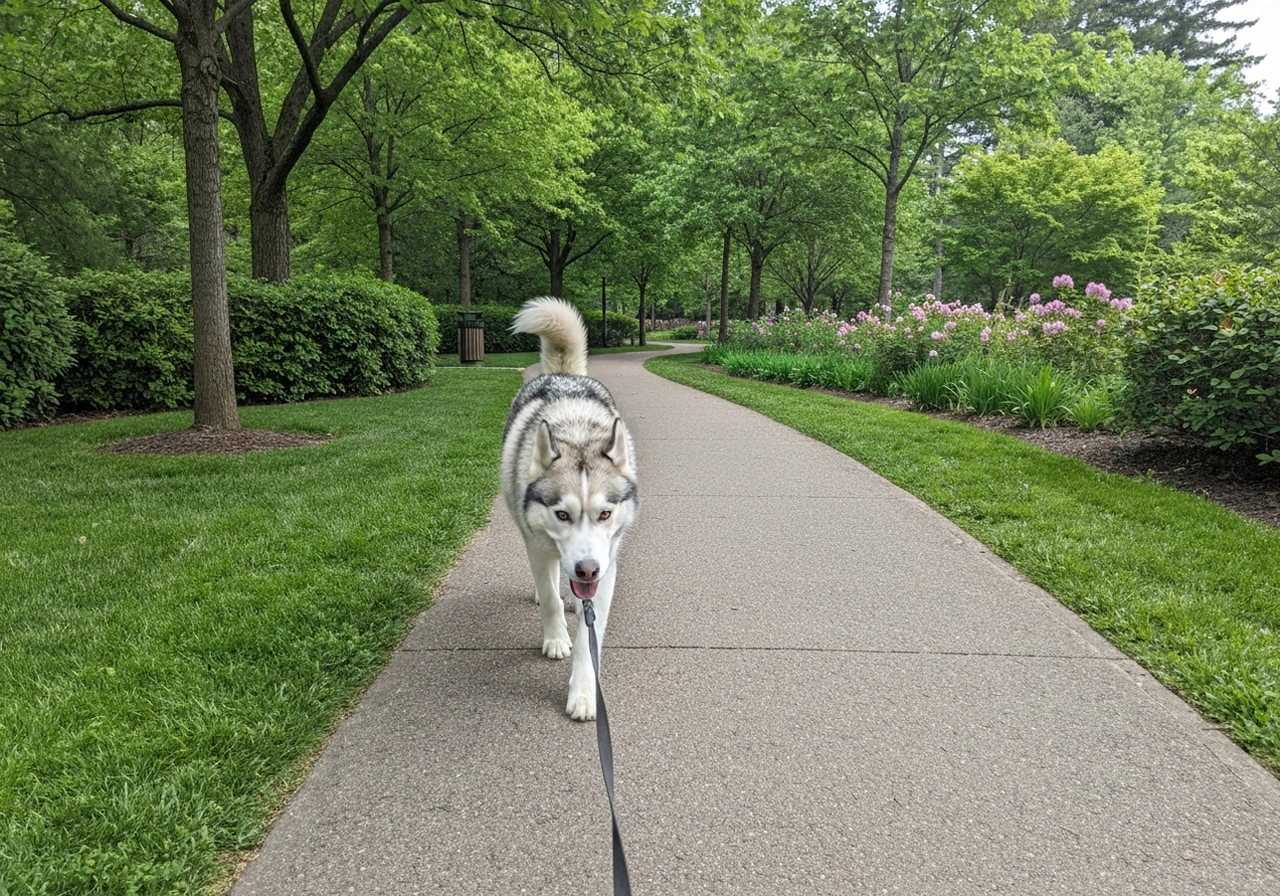
What Exactly Is a Double Coat?
When I first adopted Winston, I thought "fluffy" was just a personality trait. I had no idea his coat was actually two completely different systems working together. The double coat is precisely what it sounds like: two distinct layers of fur with entirely different jobs.
The Undercoat: Your Dog's Climate Control
That soft, dense, cotton-candy-like layer closest to the skin? That's the undercoat. Run your fingers through Winston's fur, and you'll feel it: downy, incredibly soft, and seemingly endless. This layer is made up of short, fluffy hairs that grow from the secondary hair follicles.
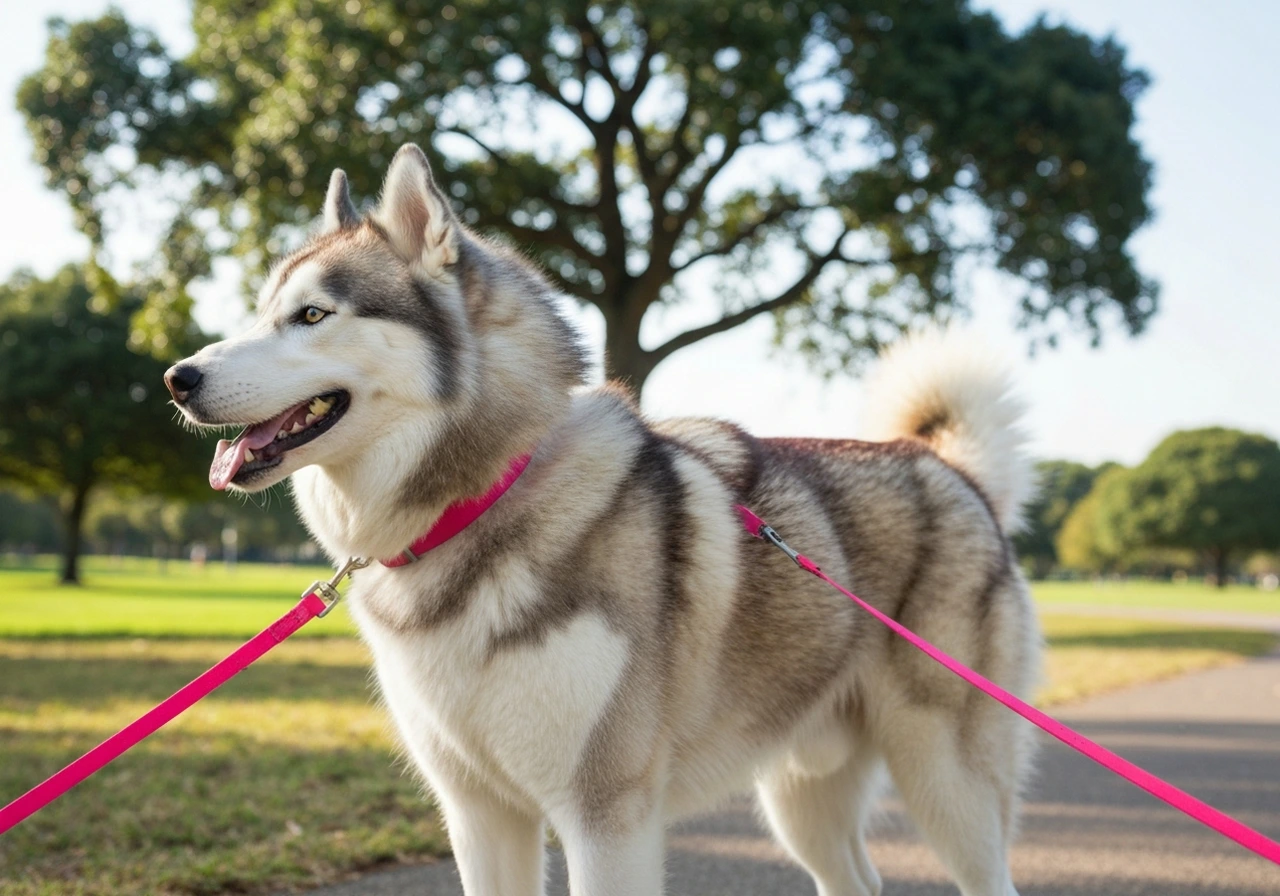
The undercoat serves as insulation. In winter, it traps body heat close to the skin. In summer, it actually works like a thermos, keeping heat OUT and maintaining a stable body temperature. I learned this the hard way when I kept my house at 68 degrees thinking Winston would overheat, only to watch him seek out the sunny spots on the floor.
The Guard Coat: Nature's Armor
The longer, coarser outer hairs you see when you look at your dog are called guard hairs. These grow from primary hair follicles and serve an entirely different purpose. They repel water, block UV rays, and protect against debris, insects, and minor scratches.
Watch your double-coated dog after a rain. Mine shake off and they're practically dry in minutes. That's the guard coat doing its job. Those outer hairs have a slightly oily texture that makes water bead and roll off rather than soaking through to the undercoat and skin.
The Breeds With Double Coats
Not every fluffy dog has a true double coat. The breeds that do were typically developed for specific working conditions that required temperature regulation and weather protection.
Among herding breeds, we're talking Border Collies (like my Winston), Australian Shepherds (like my Maggie), Rough and Smooth Collies, Shetland Sheepdogs, German Shepherds, Corgis, and Belgian breeds. Spitz breeds like Huskies, Malamutes, Samoyeds, and Akitas have some of the most dramatic double coats. Working breeds like Newfoundlands, Great Pyrenees, and Bernese Mountain Dogs also carry this genetic trait.
The pattern makes sense when you think about it. These dogs were bred to work outside in all weather conditions, often in mountains, snowy regions, or areas with dramatic temperature swings. Their coats evolved to handle whatever nature threw at them.
Why Shaving Doesn't Work (And Often Backfires)
Here's where things get frustrating for well-meaning owners who just want their dogs to be comfortable. The logic seems sound: it's hot, fur is warm, remove the fur, dog gets cool. But double coats don't work that way.
The Temperature Regulation Problem
Remember how I mentioned the undercoat works like a thermos? When you shave a double-coated dog, you remove that insulation layer. Without it, your dog has no protection from direct heat. The sun beats directly onto their skin instead of being filtered and deflected by the coat.
Dogs don't sweat through their skin like humans. They regulate temperature primarily through panting and through the pads of their feet. Their coat helps by creating an air barrier that slows the transfer of environmental heat to their body. Without that coat, your dog is actually MORE likely to overheat, not less.
The Sunburn Risk
A shaved double-coated dog loses UV protection. Their skin, which has never been exposed to direct sunlight, can burn seriously. I've heard horror stories from groomers about dogs with severe sunburn blisters after being shaved for summer. Pink skin that's been protected under layers of fur simply isn't prepared for UV exposure.
The Coat Damage Issue
This is the part that breaks my heart. Once you shave a double coat, it often never grows back correctly. The undercoat and guard hairs grow at different rates, and shaving disrupts their natural cycle. Many owners report their dog's coat coming back patchy, with a different texture, or with the undercoat overwhelming the guard hairs.
What Actually Keeps Double-Coated Dogs Cool
After that conversation with my neighbor, I did some research and made some changes that actually help Winston and Maggie stay comfortable in North Carolina summers. Here's what works.
Proper Brushing Is Everything
A well-maintained double coat regulates temperature beautifully. The problem isn't the coat itself; it's when the undercoat gets packed, matted, or clogged with dead hair. That prevents airflow and traps heat.
I brush Winston and Maggie thoroughly twice a week during normal seasons and daily during coat blow. Using the right tools, I can remove massive amounts of dead undercoat while leaving the protective guard hairs intact. After a good brushing session, you can actually feel the air moving through their coats.
Strategic Cooling Methods
We've developed a summer routine that keeps my dogs comfortable without touching their coats. Morning and evening exercise only, no midday adventures when it's above 75 degrees. Access to shade and fresh water constantly. A kiddie pool on the deck that Winston absolutely loves (Maggie tolerates it). Cooling mats inside the house for post-walk recovery.
I also learned that wetting their paw pads and belly (the areas with thinner fur) provides quick cooling. They lose heat through those areas much more effectively than through their thick back and sides.
Professional Grooming Options
If you're struggling to keep up with undercoat maintenance, a professional groomer experienced with double coats can help. Sarah does what she calls a "blow out" service, using high-velocity dryers to blast out loose undercoat without cutting any hair. It's remarkably effective. Winston comes home looking sleeker and feeling cooler, with his coat intact and functional.
The One Exception: Medical Necessity
There are situations where shaving becomes necessary: surgery sites, severe matting that can't be brushed out without hurting the dog, hot spots or skin conditions requiring treatment access. In these cases, work with your veterinarian and groomer together, shave only the affected area, and protect the exposed skin while it regrows.
But shaving for convenience or cooling? Skip it. Your dog's coat is sophisticated climate control technology that took centuries of breeding to develop. Trust it to do its job, and focus instead on proper maintenance.